The digital revolution has disrupted every manufacturing vertical. How can manufacturers meet the new challenges of the digital age--and take advantage of new opportunities for growth?

The digital revolution has disrupted every manufacturing vertical. How can manufacturers meet the new challenges of the digital age--and take advantage of new opportunities for growth?
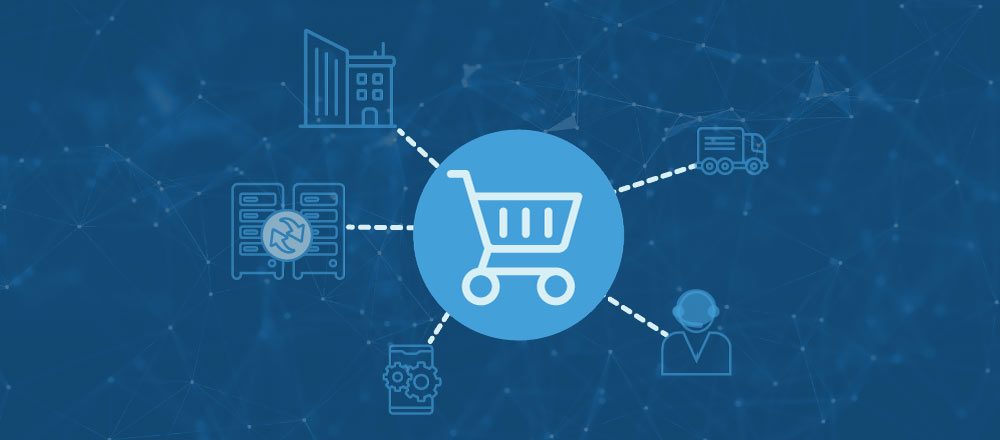
No doubt about it — we’re living in the age of integrated B2B eCommerce. Every web store in the world shares data with another system in some way, even if[…]

While the world was moving to eCommerce before COVID-19, the pandemic accelerated that process. Pharmaceutical manufacturers are feeling the pressure to launch B2B eCommerce. Like never before, they must carve[…]

B2B eCommerce offers tremendous opportunities for manufacturers. Whether the goal is revenue growth, increased efficiency or a more competitive customer experience, organizations are transforming how they do business (and what[…]

2023 has delivered new challenges in B2B ecommerce. Inflation, a tough labor market, and economic uncertainty are putting pressure on B2B ecommerce programs in every vertical.

In today’s digital-first world, just launching B2B eCommerce isn’t enough. You won’t start seeing ROI until you shift some portion of your sales to B2B eCommerce. You need to create[…]

To stay ahead of your customers’ B2B eCommerce expectations, you need a deep understanding of their needs. Too often in B2B eCommerce, internal user requirements are mistakenly classified as customer[…]

Where do you start when implementing B2B eCommerce? With repercussions across all parts of the organization, launching B2B eCommerce is an essential project to get right. The challenge is defining[…]

Most articles on B2B eCommerce features mention 10 or 15 capabilities to look for. But that’s not a comprehensive view of everything you need in a B2B solution. In fact,[…]

What’s the best B2B eCommerce registration process for your business? The answer depends on many factors, but there’s one thing to understand right away: B2B registration is unlike B2C. In[…]

Manufacturers are scrambling to launch SAP customer portal solutions in the post-COVID world. The pandemic made the need for self-service painfully clear—but it also exposed a preference that B2B buyers[…]
It’s no secret that B2B ecommerce can be difficult to sell across a large organization. One path forward is a simple B2B proof-of-concept (POC) without SAP integration. The idea is[…]